

Kalinowski Laboratory of Psychosis Biology at the Neuroimmune Interface
Understanding synaptic pathology to transform the treatment of schizophrenia Led by Agnieszka (Agnes) Kalinowski, MD, PhD, our laboratory investigates how the immune system and other peripheral factors shape synaptic pathology in schizophrenia, working from the human brain to the cell to identify disease-modifying therapies.
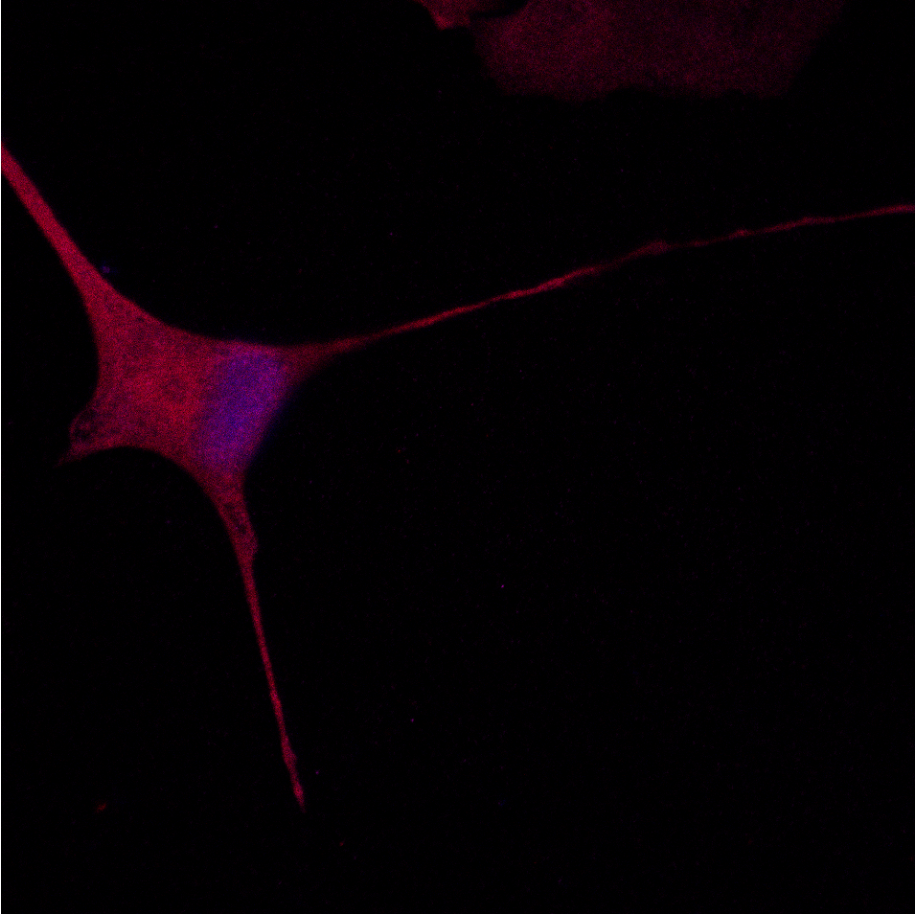
From human tissue to cellular mechanism
Research
Postmortem Brain Tissue
We map synaptic architecture at high resolution using Array Tomography.
Patient-Derived Blood
We identify immune and hormonal factors that contribute to synaptic pathology.
Stem-Cell Models
We test causal mechanisms in engineered iPSC model systems.
Closing the gap between symptom management and root causes
Psychiatric patients too often suffer under a field that can manage symptoms but rarely address root causes. Our lab works to close this gap by uncovering the biology of schizophrenia at the synapse, the connection between neurons that underlies cognition and is disrupted in the disease.
Recent updates
-
New findings on neutrophil C4 protein and synaptic density in schizophrenia.
-
Dr. Kalinowski selected as a Career Development Institute in Psychiatry Fellow (2025–2027).
-
Dr. Kalinowski serves on the NIH NIMH Psychopathology & Molecular Processes Study Section.

Our funders



Our work has been supported by the NIH (F30, K08), the VA (MIRECC, ECAP), the Brain & Behavior Research Foundation, and institutional awards (TRAM, IMA, Innovator Award).
Work with us
Prospective trainees, collaborators, and supporters are welcome to reach out.